

You’ve been there.
Sitting at the dinner table while your cousin insists rice is “just carbs” and your abuela slides another spoonful onto your plate without blinking.
That tension isn’t about nutrition science. It’s about who you are.
I’ve watched this play out in kitchens from Lagos to Lima to Louisville.
People keep saying food choices are about health or taste or budget.
They’re not.
Not really.
How Culture Affects Food Choices Roarcultable runs deeper than labels on a package.
It’s in the prayers before meals. The silence when someone serves pork at a Muslim family gathering. The way grandmothers measure spices by hand.
No scale, no recipe, just memory handed down.
I’ve spent years studying how language shapes hunger. How migration fractures food traditions (then) rebuilds them in new forms. How gender decides who cooks, who eats first, who gets the last piece of meat.
This isn’t theory. I’ve sat with elders, community cooks, school lunch planners, and teenagers trying to explain why they won’t eat what their friends call “weird.”
You’ll get real examples. Not vague claims.
No jargon. No fluff.
Just clarity on why your plate looks the way it does (and) why that matters more than you think.
Food Is Never Just Food
I eat what my body needs.
But I also eat what my people taught me to honor.
Dietary laws aren’t just rules. They’re identity markers. Halal, kosher, vegetarianism in Hindu and Buddhist practice.
They say who you are before you even speak.
Ramadan makes this real every day. Suhoor before dawn: dates, water, maybe lentils. Iftaar at sunset: dates first (always), then water, then soup, then the main course.
Not because it’s “optimal digestion”. But because it’s how my grandmother did it, and her mother before her.
Secular nutrition says eat protein first. Religious practice says break the fast with sweetness. That’s not stubbornness.
That’s continuity.
A 2023 study found 78% of observant Muslim adults choose halal-certified food over organic. Even when price and health claims are identical. They’re not rejecting science.
They’re choosing meaning.
How Culture Affects Food Choices Roarcultable is about that tension. Not between right and wrong. But between what works and what belongs.
I’ve watched friends skip meals during Ramadan and still bring extra biryani to share. The food isn’t fuel. It’s a bridge.
You think timing matters? Try fasting for 16 hours and then eating exactly at maghrib (not) 30 seconds early, not 2 minutes late. Your stomach knows.
Your community knows. Your ancestors knew.
Roarcultable shows how culture doesn’t just shape your plate. It shapes your pulse.
Migration, Memory, and the ‘Taste of Home’ Effect
I’ve watched my cousin grind ancho chiles by hand for mole (then) swap in New Mexico hatch when the Oaxacan ones vanished from the market.
That’s not compromise. That’s survival.
Foodways don’t just travel with people. They fight to stay alive.
Mexican-American families roast local chiles. West African cooks stir frozen spinach into okra stews when fresh won’t ship north. (It still tastes like Sunday.)
Why? Because food nostalgia isn’t poetic fluff. It’s biology.
Smell and taste hit the hippocampus and amygdala first. Not the cortex. That means a whiff of cumin or burnt sugar can drop you straight into your abuela’s kitchen.
Even decades later.
You feel safe before you even remember why.
So what happens when your teen grabs store-bought plantain chips instead of frying fresh?
Is it betrayal? Or just adaptation?
I say it’s both (and) that’s okay.
Authenticity isn’t frozen in time. It breathes. It bends.
It shows up in the sound of a wooden spoon hitting a pot.
One woman told me: “My abuela’s rice isn’t about calories (it’s) the sound of her wooden spoon hitting the pot.”
That sound is memory made audible.
And it’s why “How Culture Affects Food Choices Roarcultable” isn’t academic jargon. It’s the reason your hands know how to fold dumplings before your brain catches up.
You ever catch yourself seasoning without measuring?
Yeah. That’s culture talking.
Not loudly. Just clearly.
Who Puts Food on the Table (And) Why It Matters
I cook for my mom every Sunday. She’s 78. I do it because she did it for me (and) because no one else in the family asks.
That’s gendered labor. Not a theory. A fact.
Women cook for elders. Men grill for crowds. That shapes everything: portion sizes, which spices get stocked, whether lentils or steak ends up in the pot.
You’ve seen this. You’ve lived it.
In my cousin’s Filipino household, dinner isn’t planned by one person. It’s negotiated. Aunties text, lolas weigh in, cousins vote.
That’s collectivist meal planning. In UK schools, teens pick halal snacks themselves. No debate.
Economic pressure doesn’t erase culture. It bends it. I’ve watched families buy 25-pound sacks of rice (even) broke.
Just choice.
Because feeding guests well is non-negotiable.
WhatsApp groups pass down recipes faster than any cookbook. TikTok duets show grandma stirring while granddaughter films. Knowledge isn’t lost.
It’s just louder now.
This is how Culture Affects Food Choices Roarcultable.
And if you want to understand why that matters beyond the kitchen. Why Culture Matters shows exactly how food logic spills into boardrooms.
Don’t ignore the plate. It’s telling you something.
Language Is Not a Menu Translator
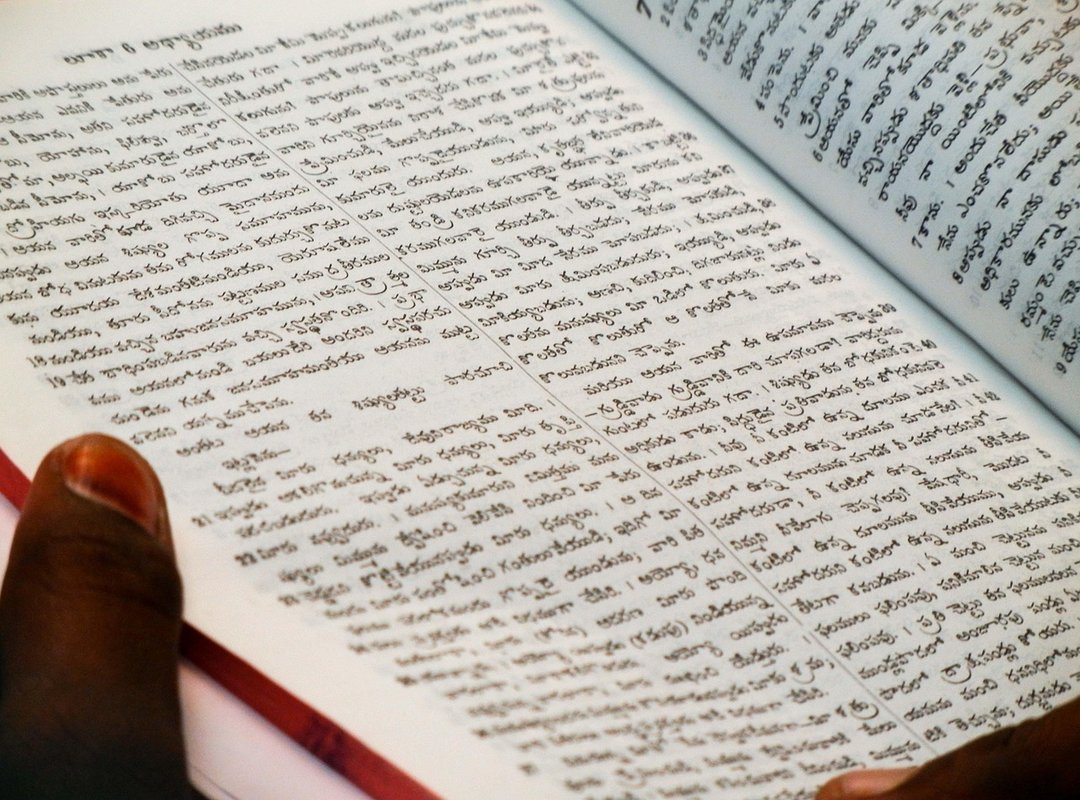
I used to call everything “spicy” until a friend from Oaxaca looked at me like I’d just called her abuela’s mole “hot sauce.”
That word erased the whole point. Heat isn’t thrill there. It’s medicine.
It’s digestion. It’s calor, not capsaicin.
Umami doesn’t mean “savory.” It means “the taste of depth,” and Japanese cooks built entire philosophies around that one word. English has no equivalent. So we flatten it.
Same with sobremesa. That slow, wine-warmed hour after dinner where nothing gets decided but everything gets settled. Call it “post-dinner chat” and you’ve gutted its soul.
I watched a food brand fail hard labeling jollof rice “Nigerian comfort food.” Comfort? No. Jollof is identity.
It’s rivalry. It’s memory baked into tomato paste.
Bilingual families don’t switch words. They switch worlds. “Lunch” is school. “Almuerzo” is Sunday with tías shouting over beans.
Ask “What does this dish mean at your table?” instead of “Do you like it?”
That question cracks open the real answer.
How Culture Affects Food Choices Roarcultable isn’t about preference. It’s about grammar, history, and who gets to name what matters.
“Ethnic Food” Is a Lazy Label
I refuse to call food “ethnic.” It’s a box. A dismissive one. And it’s usually applied to people who aren’t white.
Vietnam uses fish sauce fermented for months. Nigeria uses dried shrimp paste pounded by hand. Sweden uses smoked herring.
That taste.
Same idea (umami) punch (wildly) different paths. Calling them all “Asian” or “African” erases that work. That history.
Tomatoes in Indian curries? Not ancient. They arrived via Portuguese ships.
Korean gochujang relies on chiles from the Americas. Cassava in West African fufu? Brought across the Atlantic under violence.
So what’s “traditional”? It’s not frozen in time. It’s stubborn, adaptable, and often born from survival.
Indigenous chefs don’t “forage.” They practice sovereignty. Harvesting cedar, camas, or wild rice on unceded land. That’s not a trend.
It’s resistance.
Food choices aren’t folklore. They’re daily decisions shaped by school lunch budgets, hospital dietitians, and which grocery aisles get shelf space.
How Culture Affects Food Choices Roarcultable isn’t about nostalgia. It’s about power. Access.
Memory.
And if you’re tracking how culture shifts fast. Like crypto trends reshaping digital identity (check) the Roarcultable Latest Crypto Trends From Riproar.
Food Is Not a Math Problem
Dietary advice fails when it ignores culture. I’ve seen it. You’ve felt it.
That shame when you “fall off the plan”. Not because you lack willpower, but because the plan erased your grandmother’s hands, your childhood kitchen, your sense of belonging.
How Culture Affects Food Choices Roarcultable is not about labeling dishes “exotic.” It’s about asking why that stew tastes like safety. Why rice and beans feel like home. Why skipping Sunday dinner leaves a hollow ache.
So this week (pick) one meal. Just one. Who taught you to make it?
What story does it hold? What would change if you shifted one ingredient. And why?
That’s where real change starts. Not with restriction. With recognition.
Food doesn’t just fuel the body (it) carries the grammar of who we are.
Try it. Then come back and tell me what you found.

 Brittany Leachesty is a dynamic voice at BuzzProVault where she blends sharp insights with cutting-edge tech coverage. With a passion for exploring innovation, she delivers content that bridges the gap between complex technology and everyday readers. Brittany’s expertise ensures that BuzzProVault stays at the forefront of digital trends.