

Not Just Another Sequel
By 2026, franchise fatigue was more than just a buzzword it was a full blown audience reaction. Endless follow ups had dulled excitement, and the once reliable formula of reboots and multiverse madness started to fall flat. But a few sequels cut through the noise by understanding what most didn’t: nostalgia only works when it’s backed by thought.
Instead of leaning on cameos and catchphrases, the smarter franchises gave their returning characters real arcs. We saw sequels that didn’t just revisit old ground they expanded it. Legacy characters were allowed to evolve, age, even fail. The result? Emotional payoffs that reminded audiences why they cared in the first place.
And surprisingly, it worked best in the places people least expected. A few superhero films dialed back the explosions and turned inward, focusing more on consequence than spectacle. Genre hybrids showed up and quietly killed it think sci fi with dramatic depth, or action movies that dared to build character before chaos.
Turns out what audiences wanted wasn’t less of the familiar it was more meaning behind it. In a year full of retreads, the winners were the ones that took the risk to tell a smarter story.
Indie Films That Punched Above Their Weight
In a year dominated by franchises and big budget competition, 2026 saw a number of indie films rise to the top not through sheer scale, but through smart storytelling, undeniable performances, and strong audience connection. These films served as a reminder that quality can triumph over quantity, even in a crowded media landscape.
Low Budget Marvels That Turned Heads and Profits
While they didn’t come with blockbuster budgets, several indie titles managed to generate major returns financially and critically.
Lean production, big impact: Tight scripts and focused direction helped stretch every dollar.
Unexpected hits: Films with modest marketing ended up dominating end of year lists and streaming charts.
High ROI: Some indie features saw multi fold returns on their budgets due to their strong performance in both domestic and international markets.
Word of Mouth Wins in the Streaming Era
As streaming platforms continue to challenge traditional release models, several indie films proved that good buzz can be as powerful as a wide theatrical release.
Slow burn success: Titles that started under the radar gained traction from user reviews and social media.
Strong digital presence: Online communities and trend driven algorithms helped bring niche films to mainstream attention.
Performance driven discovery: Standout acting and compelling characters drew in curious viewers and kept them watching.
How Festival Buzz Translated to Audience Turnout
Film festivals remained critical launchpads in 2026, not just for critical recognition, but for real world momentum.
Sundance and beyond: Premieres at major festivals gave indie films valuable attention long before general release.
Distributor deals: Enthusiastic early reactions turned into lucrative distribution agreements with streaming giants.
Building anticipation: Strategic timing between festival premieres and digital rollouts allowed producers to harness excitement and turn it into views.
These successes highlight the continued relevance of well crafted, audience driven storytelling regardless of budget. In an evolving industry, indie films proved once again that authenticity and originality still resonate.
Newcomers Who Changed the Game
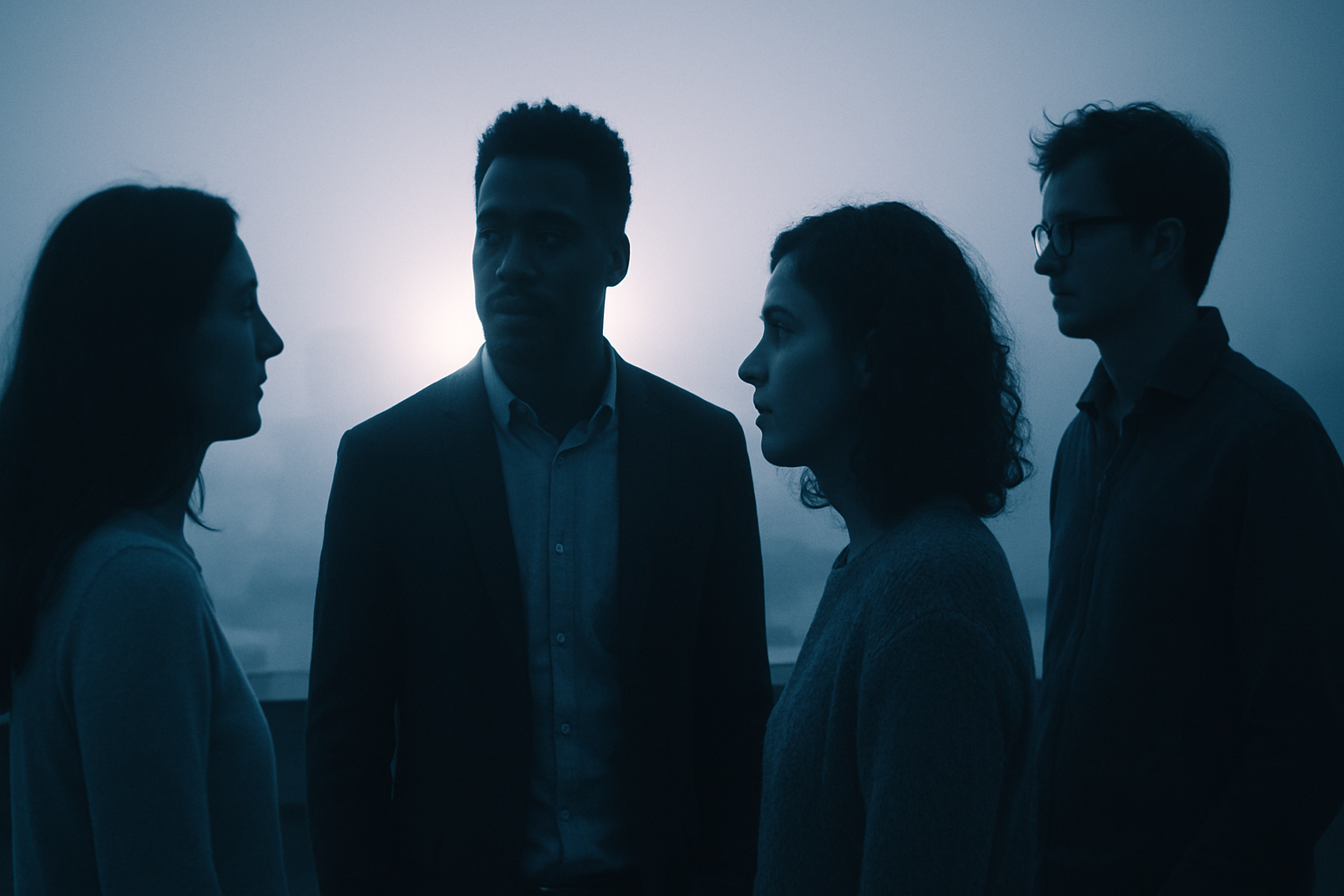
Sometimes it doesn’t take a legacy name or major studio muscle to shake things up. 2026 proved that fresh eyes and fresh voices can still reshape the industry. A handful of first time directors didn’t just impress they delivered fully formed films that felt seasoned, confident, and impossible to ignore. Think sharp scripting, inventive pacing, and shots that stuck in your mind long after the credits.
What made many of these debuts pop wasn’t just craft, but perspective. More talent from outside Hollywood’s traditional pipeline especially from Latin America, South Asia, and Africa brought new energy to well trodden genres. These weren’t just regionally flavored takes, either. They challenged structure, mixed tones, and rewrote what a horror comedy or action drama could look like. Global influence became less about novelty, more about innovation.
And in front of the camera? Casting finally widened. Not performatively, but deliberately because it worked. Audiences responded to worlds that looked like the real one. In 2026, diverse casting wasn’t just a checkbox; it was a strategy that paid off with emotional depth, wider appeal, and higher returns. These newcomers didn’t just crash the party. They brought a new blueprint.
Rethinking the Blockbuster Formula
Big budget used to mean safe. Studio playbook stories, focus tested plots, recycled effects. Not in 2026. This year flipped expectations. High money productions didn’t just flex scale; they took chances with tone, structure, and even casting.
We saw studios back original scripts that didn’t fit neat boxes. Audiences responded. Risk in storytelling meant reward at the box office. One sci fi western set in a flooded post capitalist world pulled in massive numbers. Another an action comedy musical hybrid broke streaming records in week one.
Genre mashups led the charge. Horror ballet? Worked. Romance thriller set in outer space? Also, surprisingly great. Viewers were ahead of the curve and hungrier for fresh formats than the industry gave them credit for. Studios that tuned in instead of playing it safe earned loyal fanbases and profits.
For broader context and data that backs this shift, check out Box Office Hits and Flops A Critical Analysis.
Surprises From the Streaming Front
2026 proved something the theater first model didn’t want to admit: some films are simply better suited to living rooms than multiplexes. More than a few titles skipped a traditional release and still crushed it thanks to smart storytelling, platform promotion, and targeted word of mouth. These weren’t just background noise for a weeknight scroll. They hooked viewers, drove repeat watches, and sparked chatter across group chats and forums.
Streaming first success wasn’t random. Studios leaned into data genre trends, viewer behavior, even watch time drop offs to make sharper creative bets. But the real winners didn’t feel like they were mined from spreadsheets. The most talked about streams carried emotional weight. Whether it was a sharply written immigrant drama or a slow burn thriller with no name actors, audiences showed up because they felt something.
A few of these projects were modest in scope but bold in voice. Others were meant for a theatrical run but found new life in the algorithm jungle, where homepage placement was worth more than a billboard. Either way, it’s clear: in 2026, streaming stopped being Plan B. For some stories, it was the main stage and they owned it.
Final Takeaways
Surprise hits aren’t just feel good stories they’re proof that the industry can still be shaken up. In 2026, they sparked conversations, forced rewrites of marketing plans, and reminded everyone from execs to indie crews that audiences aren’t just numbers on a spreadsheet. Hits that came out of nowhere didn’t follow the playbook, and that’s the point.
The modern moviegoer is sharp. They’ve seen the formula too many times to be impressed by it. This newer audience is vocal, deeply online, and willing to fight for what they love and call out what they don’t. They value originality, cultural resonance, and stories that don’t talk down to them.
More importantly, studios and indie labels alike are starting to pay attention. The smart ones aren’t just chasing the next big IP they’re tuning in to sentiment, studying engagement, and actually listening. Surprise hits are no fluke. They’re data with a heartbeat.
For more on what’s driving these shifts at the box office, check out Box Office Hits and Flops A Critical Analysis.

 Tyren Meldrake, co-founder of BuzzProVault combines entrepreneurial drive with a passion for technology. His leadership and innovative mindset have helped shape the site into a hub for insightful tech discussions and analysis. Tyren’s contributions reflect both expertise and a commitment to pushing the boundaries of digital media.