

Protecting kids from adult content is more important than ever. The internet makes it way too easy for them to stumble on things they shouldn’t see. kids xnxx and other sites are just a click away. It’s not just about blocking access; we need to teach our kids to recognize and avoid inappropriate content.
This guide will give you practical steps and strategies. I’ve seen the damage firsthand, and I’m here to share what works. Let’s get real—our kids’ well-being is at stake.
Understanding the Impact of Adult Content on Children
When it comes to kids and adult content, it’s a serious issue. Exposure to this kind of material can have both short-term and long-term psychological effects. In the short term, children might experience confusion, anxiety, or even fear.
Long-term, it can lead to issues like depression, low self-esteem, and distorted views on relationships.
Developmental concerns are real too. Early exposure to adult content can mess with a child’s emotional, social, and cognitive development. They might struggle with forming healthy relationships and understanding appropriate behavior.
It’s like trying to build a house on a shaky foundation; it just doesn’t work well.
Behavioral changes are another red flag. If you notice a child acting out, becoming secretive, or showing sudden interest in sexual topics, it could be a sign they’ve seen something inappropriate. Kids aren’t equipped to handle that kind of content, and it shows in their behavior.
Now, let’s talk about the difference between accidental exposure and intentional seeking. Accidental exposure, like stumbling upon a site like kids xnxx, is one thing. Intentional seeking, where a child actively looks for such content, is another.
Both are concerning, but the latter might indicate deeper issues that need addressing.
Parents and guardians, you need to be vigilant. Keep an eye on what your kids are doing online. Set up parental controls and have open, honest conversations about the dangers of adult content.
It’s not just about protecting them now; it’s about setting them up for a healthier future.
Identifying Sources of Adult Content
When it comes to adult content, the internet is a vast playground. Websites, apps, and social media platforms are the most common sources. You might think these are easy to spot, but it’s not always that simple.
- Websites: There are countless sites dedicated to adult content. Some are well-known, while others are more discreet.
- Apps: Apps can be tricky. Some are designed specifically for adult content, while others may have hidden sections.
- Social Media: Platforms like Instagram and Twitter can also host inappropriate content, often through links or direct messages.
Hidden dangers lurk in places you wouldn’t expect. Even seemingly innocent platforms can inadvertently expose children to inappropriate content. For example, YouTube videos or online games might contain links to adult content.
It’s a real concern.
Emerging threats are always on the horizon. New and evolving ways that adult content is being distributed and accessed. One such threat is the use of “kids xnxx” which disguises itself as child-friendly but leads to explicit material.
It’s crucial to stay informed and vigilant. By understanding where and how this content is shared, you can better protect your kids and keep them safe online.
Preventive Measures to Keep Children Safe Online
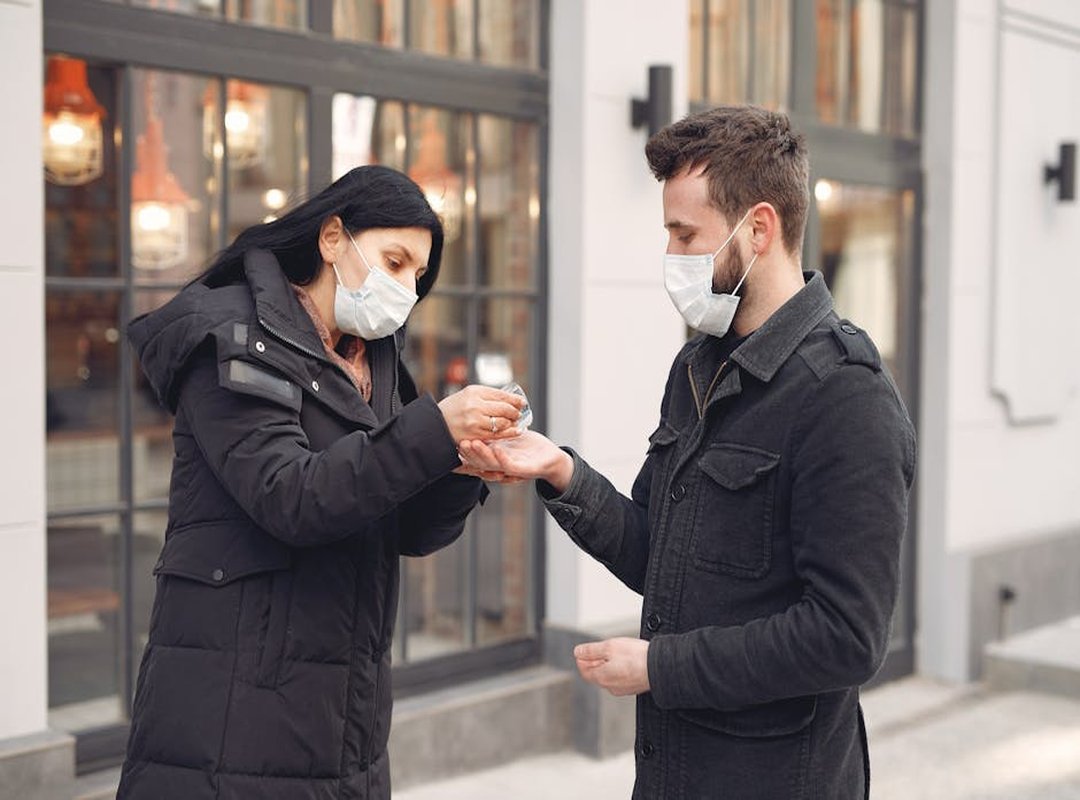
Let’s face it. The internet can be a scary place, especially for kids. You worry about them stumbling onto something they shouldn’t, like kids xnxx.
It’s a real concern.
Parental controls are your first line of defense. Set them up on every device and platform your child uses. It’s a bit of a hassle, but it’s worth it.
Trust me.
Education and awareness are key too. Teach your kids about the dangers out there. Show them how to recognize and avoid inappropriate content.
It’s not just about blocking; it’s about empowering them with knowledge.
Open communication is a must. Talk to your kids about their online activities. Make sure they feel comfortable coming to you if they see something that makes them uncomfortable.
Sometimes, it feels like we’re fighting an uphill battle. But with the right tools and a bit of effort, we can keep our kids safe online. And hey, if you need a break from all this, check out some of the latest entertainment events happening this month.
Responding to Exposure: Immediate and Long-Term Actions
Immediate Steps: What to do if you suspect your child has been exposed to adult content, including de-escalation and support.
First things first. If you think your child has seen something inappropriate, like kids xnxx, stay calm. Panicking won’t help.
Talk to them in a non-judgmental way. Ask what they saw and how they feel about it. This can de-escalate the situation and make them feel safe.
Long-Term Strategies: Ongoing measures to ensure continued safety and well-being, such as regular check-ins and monitoring.
After the initial conversation, set up some long-term strategies. Regular check-ins are key. Make it a habit to talk to your child about their online activities.
Use parental controls on devices and set age-appropriate filters.
Professional Help: When and how to seek professional help, including counseling and therapy options.
Sometimes, you might need extra help. If your child seems deeply affected or shows signs of distress, consider seeking professional help. A therapist or counselor can provide the right support.
According to a study by the American Psychological Association, early intervention can significantly improve outcomes for children exposed to harmful content.
Remember, it’s not just about blocking access. It’s about creating an open and supportive environment where your child feels comfortable talking to you.
Empowering Parents and Guardians to Protect Children
Understanding the risks associated with kids xnxx and other adult content is crucial. Identifying signs of exposure, such as changes in behavior or increased secrecy, can help parents take timely action.
Educate yourself about the platforms and apps your children use. Use parental controls and filters to block inappropriate content.
Communication is key. Regularly discuss online safety and set clear boundaries. Encourage your children to share their online experiences and concerns.
Stay vigilant and proactive. Regularly review and update your strategies to ensure a safe digital environment for your children.

 Brittany Leachesty is a dynamic voice at BuzzProVault where she blends sharp insights with cutting-edge tech coverage. With a passion for exploring innovation, she delivers content that bridges the gap between complex technology and everyday readers. Brittany’s expertise ensures that BuzzProVault stays at the forefront of digital trends.