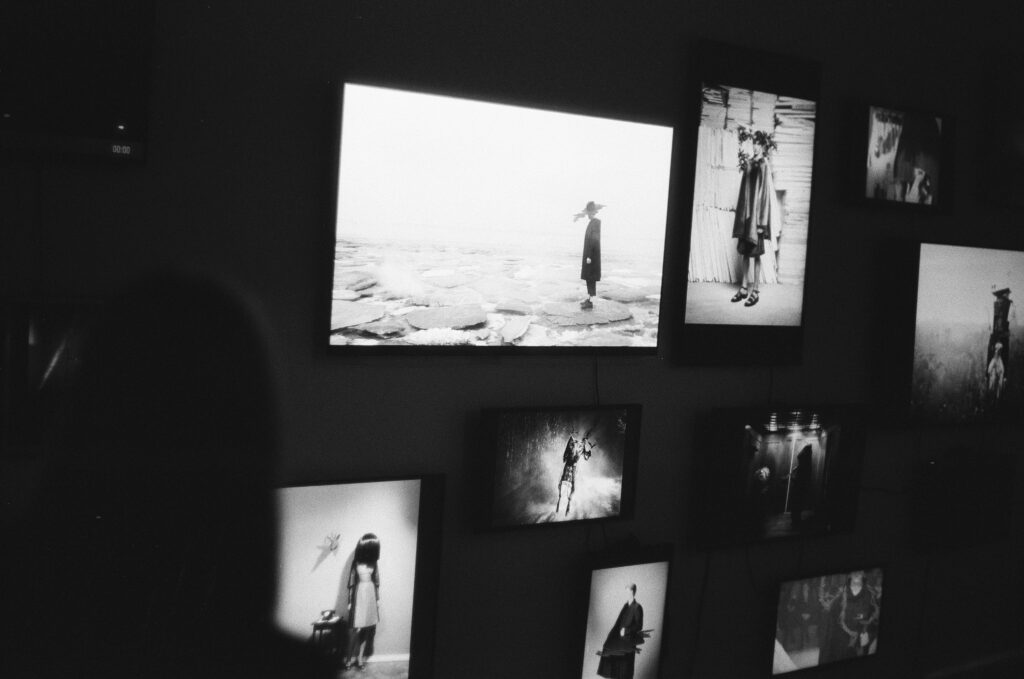

Pop Culture as a Social Mirror
Pop culture isn’t just about what’s fun, catchy, or trending. It’s a real time snapshot of who we are and what we care about. Songs, outfits, TV shows, viral memes they all hold layers of meaning beneath the surface. Look close enough, and you’ll find clues to the cultural mood of a moment.
Fashion can reflect rebellion or conformity. Music often pulses with political tension. Films show us not only who we want to be, but what we fear or admire. Even memes yes, memes document how we process collective anxiety, humor, and outrage.
These aren’t just distractions; they’re signals. What’s trending today usually taps into what people crave, question, or fear. The rise of dystopian dramas, lo fi nostalgia playlists, or zero waste aesthetics? That says something about how we’re feeling and what we’re missing.
Pay attention to the pop culture highlight reel, and you’ll find more than entertainment it’s a cultural calendar, a mood ring, and sometimes, a quiet protest.
Decade by Decade Shifts
From protest anthems on vinyl to climate anxiety on TikTok, pop culture doesn’t just entertain it captures the mood of a generation.
In the 1960s through the 1980s, pop culture was loud and political. Civil rights marches bled into Motown lyrics. War protests echoed in Woodstock stages and war torn newsreels. The counterculture wasn’t fringe it was fashionable. Long hair, psychedelic art, punk music. These symbols didn’t just trend they rebelled.
Enter the 1990s and early 2000s. The Berlin Wall was gone, but identity walls were rising. Culture zoomed in on race, gender, and sexuality. Globalization came fast spreading MTV culture and hip hop from New York to Nairobi. The digital revolution kicked in and everything fragmented. People didn’t just consume pop culture; they started making it.
Today, pop culture has a softer but sharper edge. Mental health is no longer hidden. Inclusivity isn’t a marketing checkbox it’s demanded. Add to that a steady undertone of climate urgency. From streaming dramas grappling with anxiety to viral challenges focused on sustainability, culture reflects our internal and external crises.
Even mainstream blockbusters aren’t immune. Superhero franchises now ask moral questions. Memes dance between humor and existential dread. And niche creators on platforms like TikTok are shaping what sticks. What goes viral isn’t random it’s resonant. Think less “what’s trending?” and more “what are we feeling right now?”
Film and TV as Cultural Feedback Loops
Media isn’t just a mirror it’s a mold. The stories we binge watch, the characters we root for, and the tropes we normalize all end up shaping how we think, talk, and even vote. Culture gets beamed back to us, curated and trimmed, wrapped in plotlines that make complex issues digestible. Over time, these stories don’t just reflect values they reinforce them. Or, in some cases, rewrite them.
Representation sits at the core of this power. Who shows up on our screens and who doesn’t sends subtle (and not so subtle) signals about whose stories matter. When viewers repeatedly see the same race, gender, or orientation in central roles, it shapes perception. Flip that representation, and something shifts empathy, understanding, and possibility. That’s why it matters that streaming platforms are now greenlighting stories from historically marginalized voices. Every new series that breaks the mold chips away at cultural assumptions.
Streaming platforms in particular have become 21st century social mirrors. Unlike traditional TV, they offer a mix of global voices and boundary pushing formats. It’s not just about what’s popular anymore it’s about access, algorithms, and reach. Cultural feedback loops are running faster and more freely than ever.
(Deep dive here: How Films and TV Reflect Society’s Values and Norms)
Shifting Taboos and What They Say
Not long ago, topics like mental health, gender identity, and systemic injustice were either left untouched or glossed over in pop culture. Today, they’re front and center. What was once whispered about behind closed doors is now embedded in prime time scripts, song lyrics, and social media storylines. It’s a sign of the times: the mainstream has shifted.
Look at the current wave of TV series tackling trauma and therapy head on, or Grammy winning albums that explore queerness, addiction, immigration, and grief without flinching. These aren’t side plots or niche anthems they’re the headline acts. And it’s telling. These stories reveal what people are ready to confront and what they no longer want silence around.
Pop culture doesn’t just mirror what’s acceptable it nudges norms forward. When millions watch a teen series that centers non binary characters or tune into a late night host openly discussing depression, that exposure softens resistance. It chips away at discomfort. Before long, what was fringe becomes familiar.
For better or worse, entertainment shapes what society gets used to. Right now, it’s moving the spotlight onto what’s real, raw, and long overdue for attention.
Final Thoughts: Culture in Motion
Culture doesn’t freeze. It adapts, it mutates, it reflects what matters most to us in any given moment. Whether it’s a viral dance trend, a hit series, or a protest T shirt, pop culture isn’t just what we consume it’s what we create and respond to, often without even realizing it.
If you want to understand where society’s values are going, watch what people are watching. Pay attention to why certain stories catch fire, which characters resonate, and what’s getting left behind. These patterns tell us more than polls or headlines ever could.
At its core, pop culture is self awareness dressed up as entertainment. It holds a mirror to our evolving priorities, challenges, and hopes. To track culture is to track ourselves.
Further reading: How Films and TV Reflect Society’s Values and Norms

 As a dedicated contributor to BuzzProVault William Tourvillero brings a keen eye for detail and a deep understanding of emerging technologies. His writing dives into the latest breakthroughs, offering readers clear, engaging perspectives on the tech landscape. William’s forward-thinking approach makes him an essential part of the platform’s vision.