Fashion as a Cultural Mirror
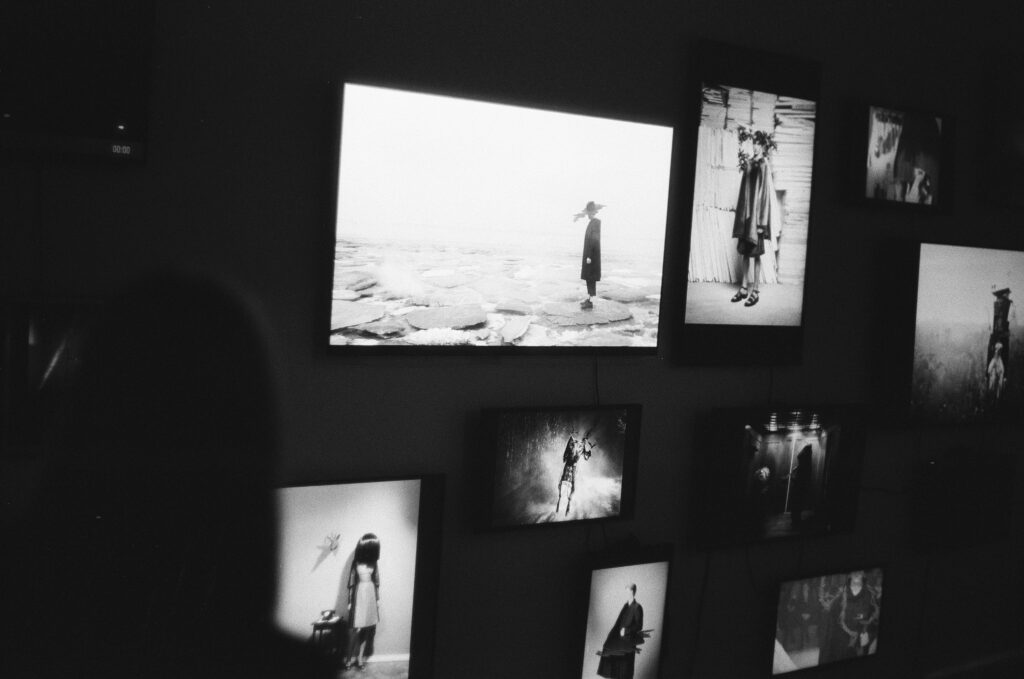
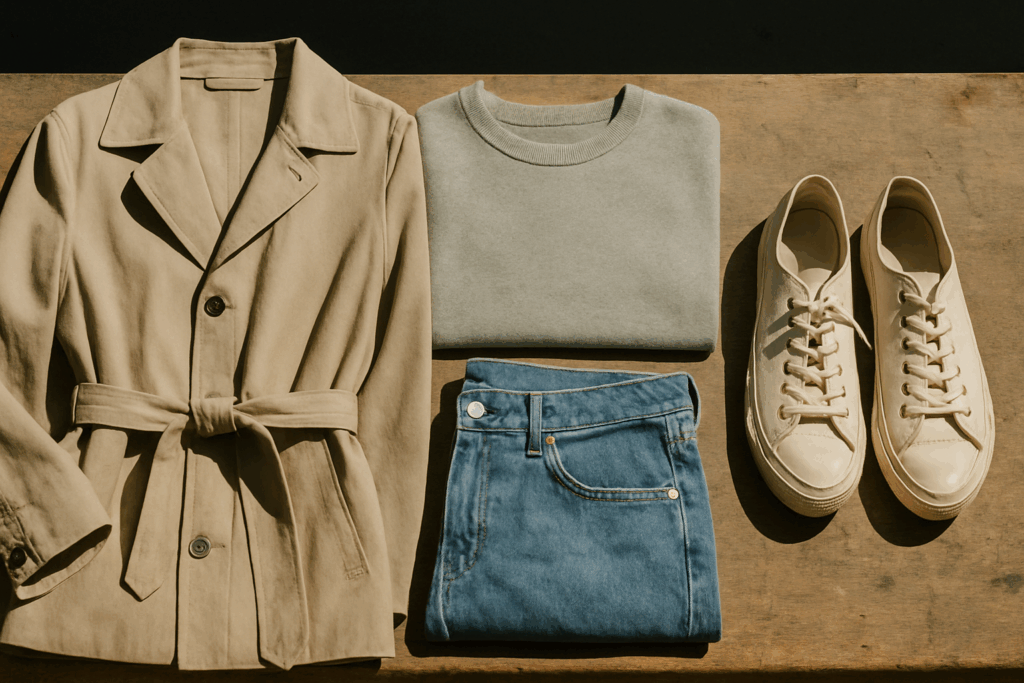
Fashion doesn’t sit still. It reflects us our moods, politics, values, and identity. In 2024, that reflection is clear: comfort meets statement. Baggy silhouettes, recycled materials, and gender neutral pieces aren’t just design trends; they mark a deeper shift. Gen Z isn’t dressing for the runway they’re dressing to say something. Whether it’s a thrifted tee or a bold graphic coat, clothing is a statement of what matters now, and who we are becoming.
You can see this echo in how closely tied celebrity image and style have become. The line between pop star and fashion symbol is gone. Think Doja Cat’s genre bending red carpet looks or Timothée Chalamet flipping tuxedo norms. Their outfits become shorthand for entire cultural conversations: self expression, gender fluidity, even sustainability. The feedback loop is real. Celebrities wear something bold, it goes viral, fans remix it, and the industry takes notes.
Remember when Rihanna stepped out in an oversized vintage tee during her maternity era? That wasn’t just a look it became a moment, sparking debates on redefining motherhood and femininity. Or how Beyoncé’s Renaissance tour brought chrome fashion into mainstream closets almost overnight. These aren’t accidents; they’re signals. Style has become a language pop culture speaks fluently with celebrities, creators, and fans all writing the script.
Star Power: Celebrities Driving the Narrative
Fashion’s pulse has always followed fame. Right now, it’s musicians, actors, and athletes setting the pace not just on red carpets but in parking lots, at press junkets, and in street style snaps. When a pop star shows up in archival designer gear or a footballer pairs a hoodie with a Louis Vuitton duffle, it reverberates globally. Their influence isn’t passive. It’s intentional, often strategized, and immediately dissected.
Red carpet looks still hit hard, especially during awards season, but they’re now just one piece of the puzzle. Authenticity rules, and the curated chaos of everyday streetwear from casually oversized fits to subtle luxury flexes is what makes people screenshot and search. A mid morning coffee run or an airport arrival can spark just as much conversation as a black tie appearance.
But the silent forces behind those moments? Stylists. They translate vision into clothing and know exactly how to position a look to land online and on shelves. These collaborators create style identities we buy into sometimes literally. Without them, most of what we think of as “celebrity fashion” would fall flat.
Celebrities lead, audiences follow, and behind every standout moment is a stylist pulling the strings. For more on the icons shaping modern trends, check out influential fashion icons.
Digital Platforms Fueling Trends
Platforms like TikTok, Instagram, and YouTube have become the new runway. Trends don’t wait for fashion week anymore they break in real time, often from a bedroom mirror or sidewalk selfie. One viral video, one smartly cut reel, and suddenly an outfit goes from personal style to cultural moment. That kind of reach used to belong to high gloss magazines. Not anymore.
The secret sauce? Memes, audacity, and timing. A lo fi fit check can set off a chain reaction if it hits the right note funny, defiant, nostalgic, you name it. Duets, remixes, or just screenshotting a Youtube thrift haul this is how fashion gets passed around now, one moment at a time.
This shift has leveled the playing field. You no longer need to be a household name to tilt trends. Creators with a few thousand followers can turn heads if they speak directly to a niche or capture a feeling that legacy media overlooks. Influence isn’t just top down anymore. It’s a loop and everyone with a camera has a shot.
Brand x Culture Collisions
The walls between high fashion and street style have all but collapsed. Collabs like Louis Vuitton x Supreme, Gucci x The North Face, and most recently, Dior’s link up with Travis Scott’s Cactus Jack label, show that prestige brands no longer live in ivory towers. They’re on sidewalks, in stadiums, and all over TikTok. Streetwear isn’t guest starring in high fashion it’s co writing the script.
At the same time, fashion has started speaking louder on things that matter. Collections now double as statements: genderless silhouettes, anti fast fashion ethics, climate conscious fabrics. Labels like Collina Strada and Telfar are pushing back against outdated norms with each release. Activism isn’t a side dish anymore. It’s the entire plate.
Then there’s the PR game. Today’s designers aren’t just sketching looks in a studio they’re plotting the next viral moment. With celebs as brand vehicles, one well placed outfit on Zendaya or Bad Bunny can spark a global sellout. The fashion calendar still exists, but culture now moves in real time snapshots.
Style isn’t just adapting to culture it’s accelerating it.
The Icons Behind the Curtain
Trends don’t just appear they’re built. Often, not by the celebrities wearing the trends, but by the people dressing them. Stylists, creative directors, and influencers play a quieter, sharper game, quietly defining what ends up on feeds, red carpets, and store racks. These are the people who fuse culture, timing, and taste into a single outfit that moves the algorithm.
Stylists once stayed backstage, but now many have front row recognition. Law Roach didn’t become a cultural reference by accident. Creative directors are re routing brand identities through viral imagery and moodboards, using social media fluency as a design tool. And influencers? They’re calling the shots in the trenches. Micro influencers, in particular, are setting tones that ripple upward to global fashion houses.
There’s still a messaging gap, though. Credit doesn’t always land where it should. The celebrity gets the headline. The team behind the look gets maybe a tag, if that. It’s time to stop pretending the person in the outfit is the only one who made it iconic.
If you want a closer look at who’s really moving fashion forward, dive into this roundup of influential fashion icons.
Lasting Influence in the Digital Age
In an era built on scrolling and short attention spans, trends move fast. One day it’s all about cargo skirts and balaclavas, the next it’s sleek tailoring or cyber inspired minimalism. But here’s the twist: while looks flicker in and out of relevance, the way they integrate into a person’s identity often sticks.
Fashion isn’t just decoration it’s shorthand for who you are, or who you want to be. What starts as a viral moment can become a signature style. The internet accelerates cycles, sure but it also gives people space to experiment, remix, and finally settle into something that feels like them. Whether it’s a creator building a brand through consistent visuals or everyday users using outfits to signal values, long term identity is forged from fleeting sparks.
This is why fashion still matters. Online or off, we communicate through what we wear. Pop culture keeps evolving, but style is what keeps it grounded visual, personal, repeatable. It’s how we participate. It’s how we stand out. It’s how we belong.

 Tyren Meldrake, co-founder of BuzzProVault combines entrepreneurial drive with a passion for technology. His leadership and innovative mindset have helped shape the site into a hub for insightful tech discussions and analysis. Tyren’s contributions reflect both expertise and a commitment to pushing the boundaries of digital media.